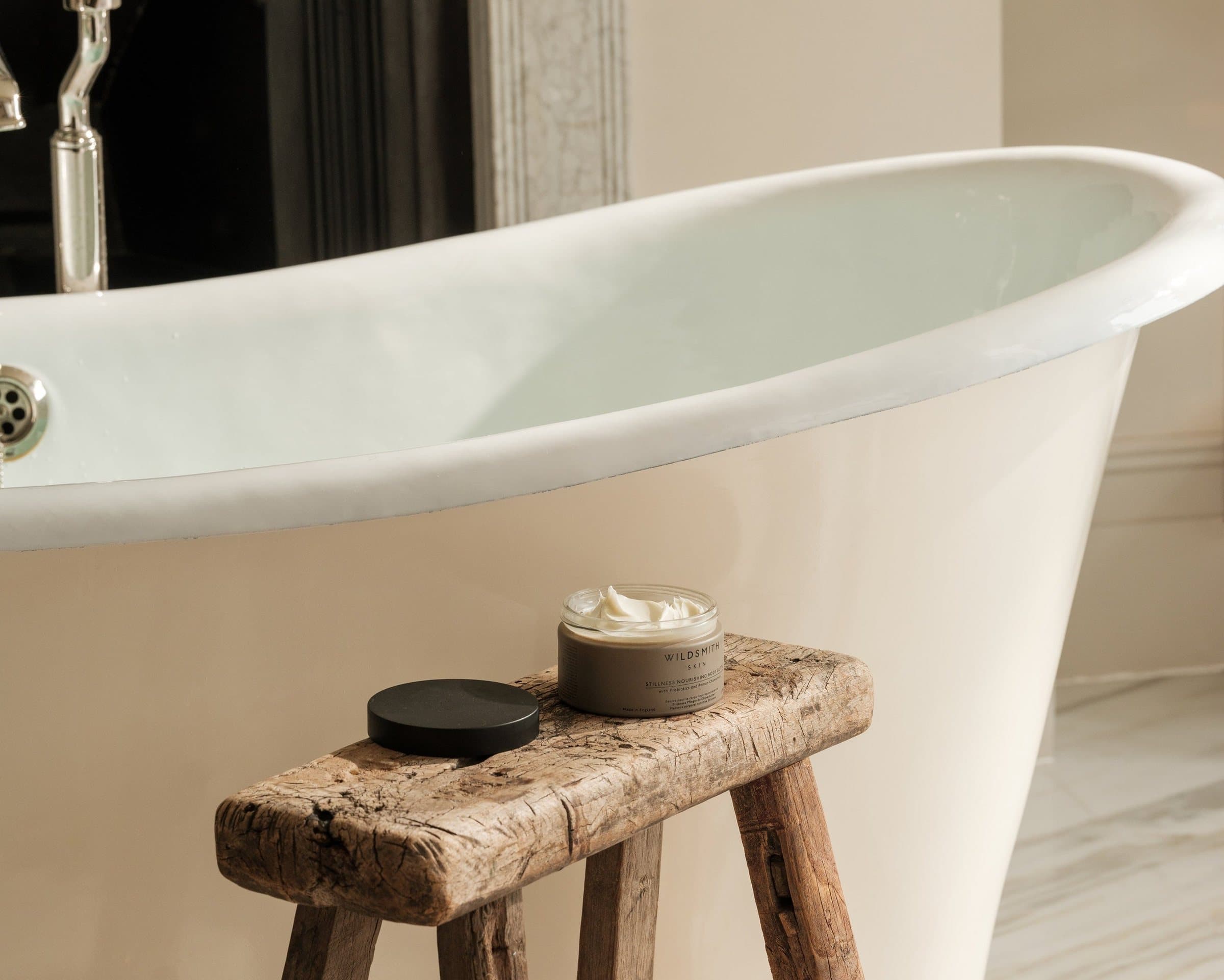
Wildsmith Skin
Science-led botanical skincare from the Heckfield Estate. Shopify SEO and agentic readiness across three stores.
wildsmithskin.comThe brand
Wildsmith Skin takes its name from William Walker Wildsmith, the Victorian horticulturist who planted the arboretum at the Heckfield Estate in Hampshire, and the estate is still the brand's home, four hundred acres it treats as a living lab, where calendula, damask rose, chamomile and lavender are grown and prepared biodynamically for the formulations.
The brand calls its approach Radical Botany, lab-grown actives paired with botanicals, and every leave-on formulation is independently clinically trialled, with the results published as plain figures and the trial named beneath them. Founded in 2016 and created for the estate's wellbeing space, it now sells through three Shopify Plus stores, for the UK, the EU and the US, with a treatment space inside Liberty London, and its Vivomer range ships in a packaging material that composts at home.

The challenge
A brand with this much equity had built a store that told the story beautifully, and the commercial layer had not kept pace with it. The product pages were strong, rich with ingredient detail and trial evidence, and national papers and fashion titles had noticed, but almost every signal pointed to the homepage or a hero product, the common pattern in skincare, where customers discover a brand through one product before exploring the range. Customers looking for a serum or a cleanser are not yet searching for a brand, and collection pages are where they land. Those pages need to tell a search engine or an agent everything, the brand, the concern, the product, the problem it solves, but carried barely a sentence of it.
Those collections were one of the biggest commercial opportunities on the site. They had been built the way most Shopify stores build them, for someone already on the site to find their way around, not as the front door for a customer arriving from search. More than two thirds of the published collections could not be reached from the navigation at all, through no fault of the team, who had been underusing one of the most valuable parts of the store's architecture. The same shift had reached the team, who noticed how often they now asked an AI model before a search engine, and wondered whether their customers had too.
The fundamentals
The work began with the store's structure. A handful of retired product URLs were still holding links from the brand's own high-authority press coverage, two of them for products that had never really left, still sitting unpublished in Shopify. The same logic ran through the collections, the ones already carrying real inbound authority came back first.
The headings audit traced what looked like dozens of separate faults back to a handful of template sources, so five template changes and one page edit resolve every critical finding, and the redundant markup pasted into product and collection descriptions over the years was cleaned and packaged as import-ready files, with nothing lost in the process.
The architecture
In skincare, commercial discovery runs three ways, by product type, by concern, or by range, and the site's own architecture had only ever been built for the first. Concern was the newer addition, added because the brand could already see its customers shopping that way, but it had never been tested against demand. What those collections needed was the commercial keyword research behind them, validating the terms customers actually search on, so concern could carry as much commercial weight as product type always had.
The old navigation only worked for one kind of visitor, someone who already knew the product type they wanted. It didn't work for someone starting from a skin concern, or from loyalty to a range like Stillness. The concern collections now carry the same commercial backing as product type does.
The agentic layer
Structured data came first, because the stores had almost none. We rebuilt it across all three stores, so a search engine, an AI model and a shopping agent can all read the same facts about the brand and its products, and the work went live without a single validation error.
Each store now has its own agents.md, the file Shopify serves on every store, written from the store it actually describes. Alongside it, a knowledge base now answers real questions about the brand for any agent that asks, across all three stores.
Signals beyond the site
Years of press coverage have earned the brand links from some of the most authoritative titles in the country, and the audit showed where nearly all of it lands, the homepage and a handful of named hero products, almost never a collection. The recommendation to the brand's PR team follows from that, category-shaped stories for editors to write, the collection pages and the guides behind them, so the next round of coverage starts building authority where a non-branded customer actually arrives.
The partnership
It's been a genuine pleasure working with Wildsmith Skin, a small, passionate team who've embraced the educational side of the relationship as much as the search work itself, and who move fast enough that we delivered ahead of the schedule we'd planned for. That reach extends beyond search too, helping the brand prioritise its development partner's time toward the work that delivers the most commercial impact. The benefits are already compounding beyond this one engagement, into how the team runs the store day to day, and we're looking forward to the next phase together, e-commerce masterclasses for the team once the current work is bedded in.
The services
The work in this story is delivered through these services:

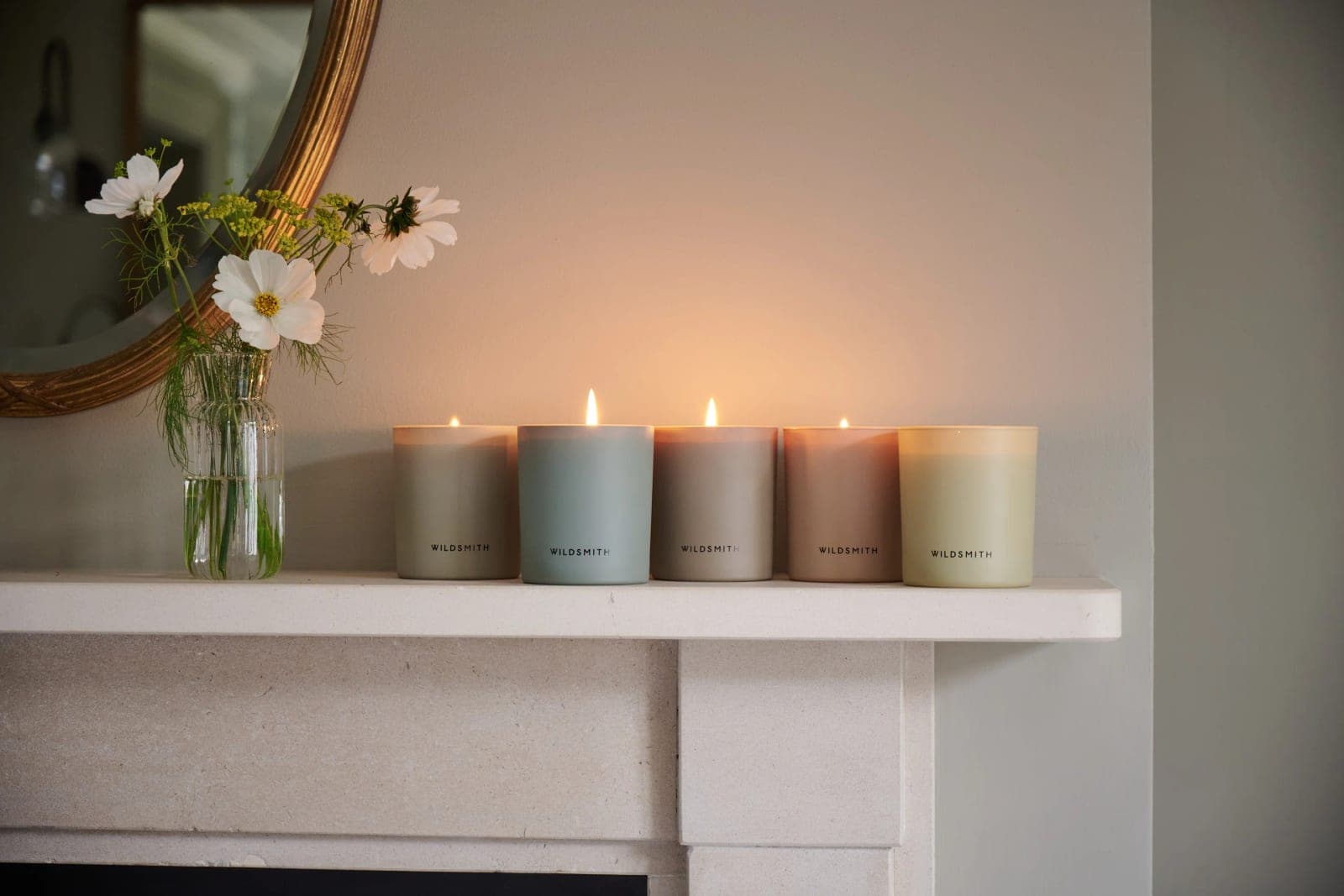
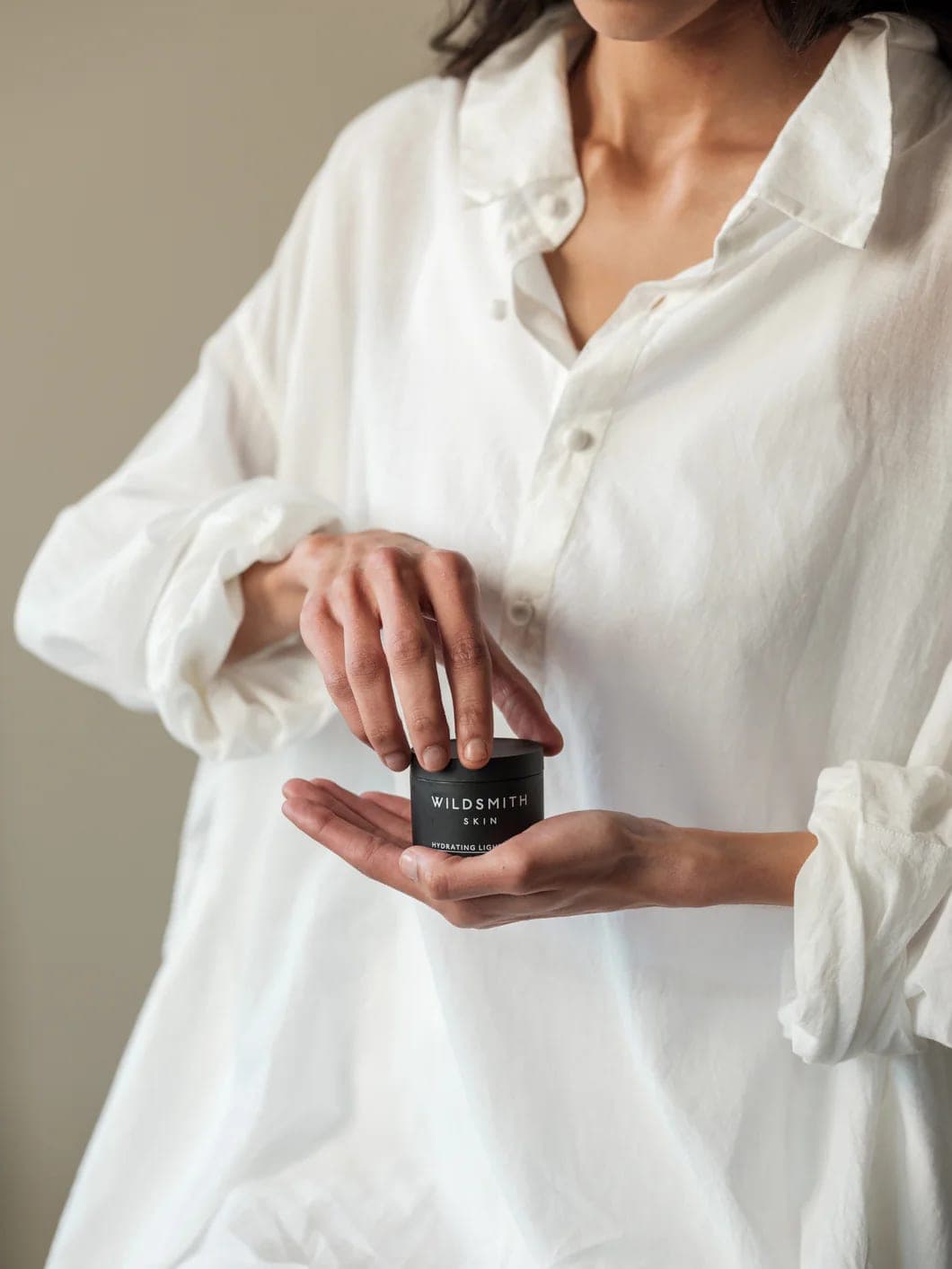
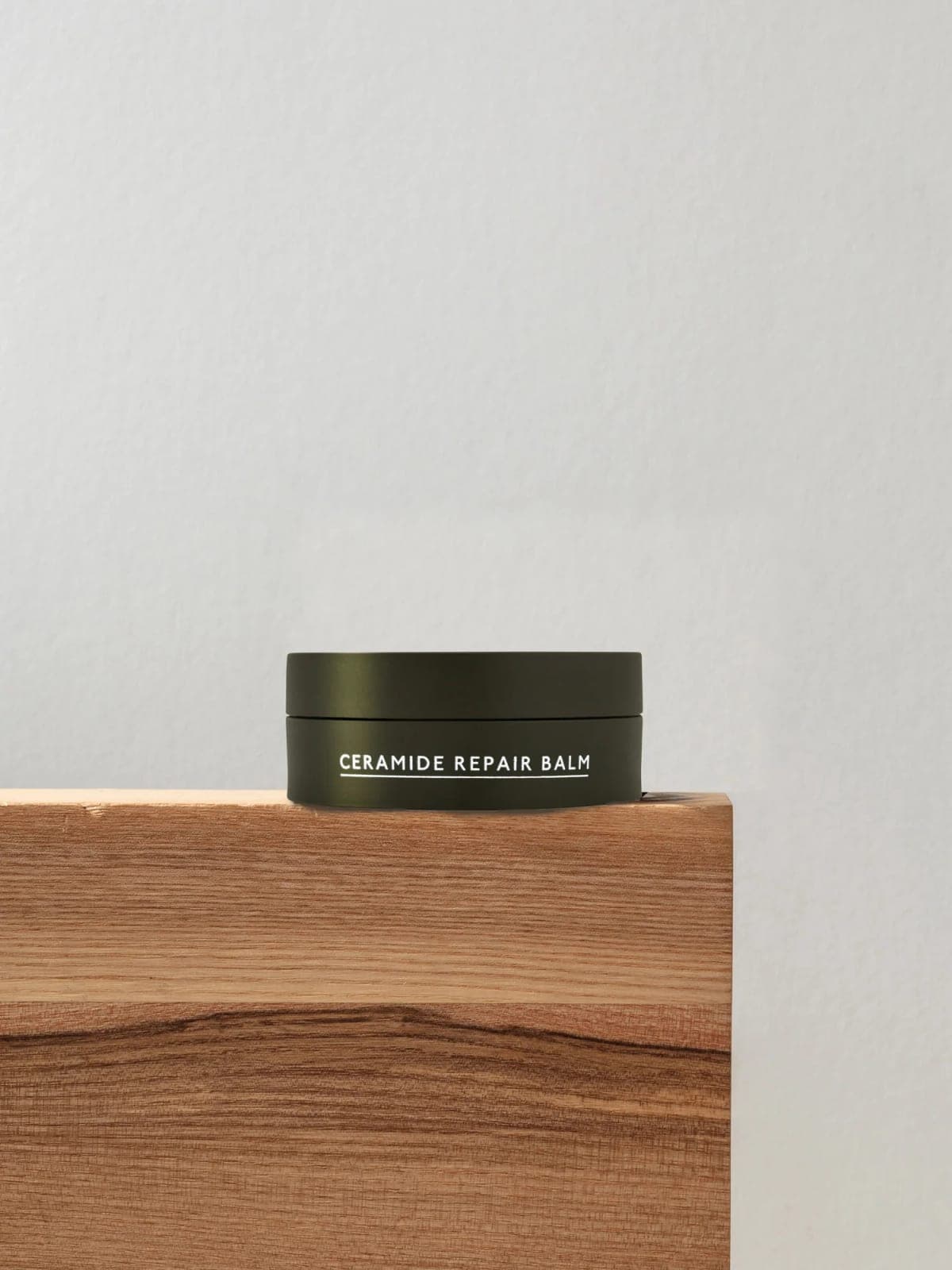
Photography Credit: Wildsmith Skin