Shopify SEO for Skincare Brands
Skincare is bought on proof and shopped by concern. The customer moves between product type, skin concern, and active ingredient in a single journey, checks the clinical claim before the price, and increasingly asks an AI model before a search engine. A Shopify SEO strategy built for a general catalogue misses most of that.
Our clients in the category run from science-led botanical skincare grown out of a Hampshire estate to a sleep-led wellness brand found on bedside tables in dozens of countries, and the work goes as deep into the clinical evidence as into the search data.

“Skincare customers do not take a claim on trust. They want the trial behind it, the ingredient list, and a reason to believe the brand understands their skin, and they ask for all of that before they ever type the brand name. The store that holds the proof in a form a search engine or an agent can read is the one ready to be put forward.”
Matt Naughton · Founder, Naughton & Bird
Selected skincare work
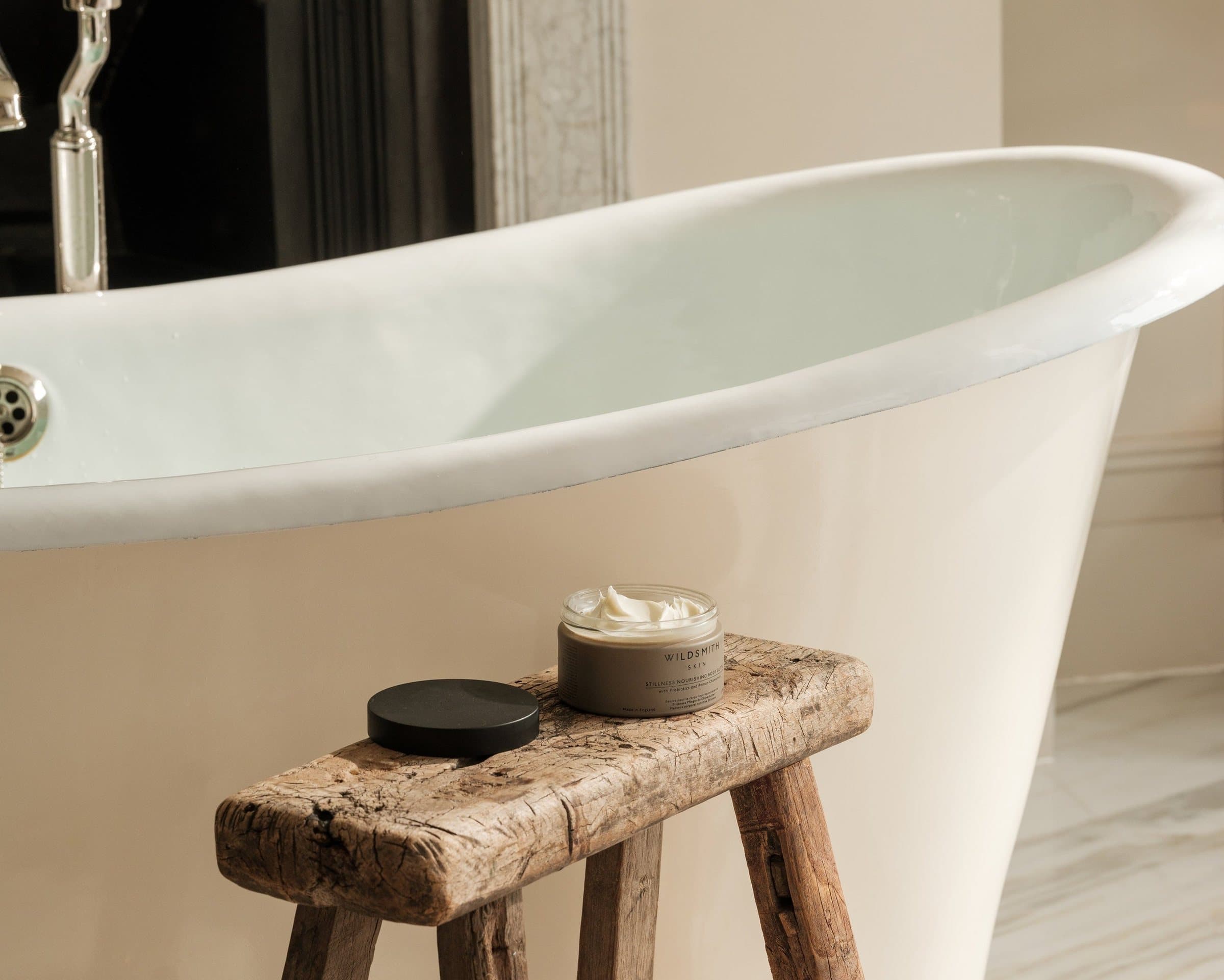
Wildsmith Skin
Wildsmith Skin makes science-led botanical skincare from the Heckfield Estate in Hampshire, and is named after the Victorian horticulturist who planted its arboretum. The brand treats the estate as a living lab, growing some of its botanicals biodynamically, and every leave-on formulation is independently clinically trialled. The Vivomer range is packaged in a material that composts at home, and the whole of it sells through three Shopify Plus stores for the UK, the EU and the US.
Read →
This Works
This Works makes sleep solutions and everyday skincare, and its Deep Sleep Pillow Spray is the product the brand is known for far beyond its own store, a routine on bedside tables in dozens of countries. The range runs to the clock its customers live by, winding down, sleeping and waking, the brand is PETA-certified cruelty-free, and the store runs on Shopify Plus with regional storefronts serving international buyers.
Read →Where we see the biggest opportunities in skincare search
01
The concern-led front door
A well-known skincare brand gets found by name, and the collection pages that should catch everyone else often carry a line of copy and no structured data. The concern collections most brands already run, for dryness, for dark circles, for fine lines, are commercial destinations that can meet the customer who has a problem and no brand in mind yet, once they are written properly, reachable from the navigation, and given the data that describes what they hold.
02
Claims held as data
Trust in skincare is clinical: the trial behind a claim, the certifications, the full ingredient list. In many stores that evidence lives as paragraph text in a product tab, where an allergy-aware question or a shopping agent cannot reach it. Held as structured product data and schema, the same facts become something a search engine can show and an agent can act on, and the brand is ready to be put forward on what it can prove.
03
The routine as content
The questions customers ask about actives and order of use, what goes before what, how often, what pairs with what, are the questions a brand's own routine builder already answers. Buying guides built from those questions upward serve the visitor who arrives with neither a product nor a concern in mind, and they put that order-of-use logic where an AI model will find it.
The approach
How we approach skincare SEO
We work through the actives and the clinical evidence behind each one, the range they sit in, the markets and storefronts the brand trades through, and the words the brand will and will not use, because the same concern is fine lines to one brand and ageing to another, and that decision belongs to the brand.
All of that is learned while the store is audited, across the collection estate, the navigation, the structured data and the headings, and the audit reaches into the product data too, where ingredient lists and trial results usually sit as text no machine can read.
The formulation knowledge is already there, so is the trial data, and so are the routines the team explains at the counter every day. We render all of it in the store and in the UCP data Shopify serves, consistently across every storefront the brand runs, so the evidence behind a claim sits with the product it belongs to.
Is your store discovery-ready?
Find out what your Shopify store is telling crawlers and agents.
Request a Readiness Review