Shopify SEO for Jewellery Brands

Jewellery has specific search dynamics that a generic Shopify SEO strategy does not address. The category mixes fine jewellery, fashion jewellery, and gifting intent in ways that need a deliberate commercial territory approach to navigate.

We have worked with jewellery brands across international markets, from fine jewellery to fashion jewellery, and built a great reputation doing jewellery SEO.
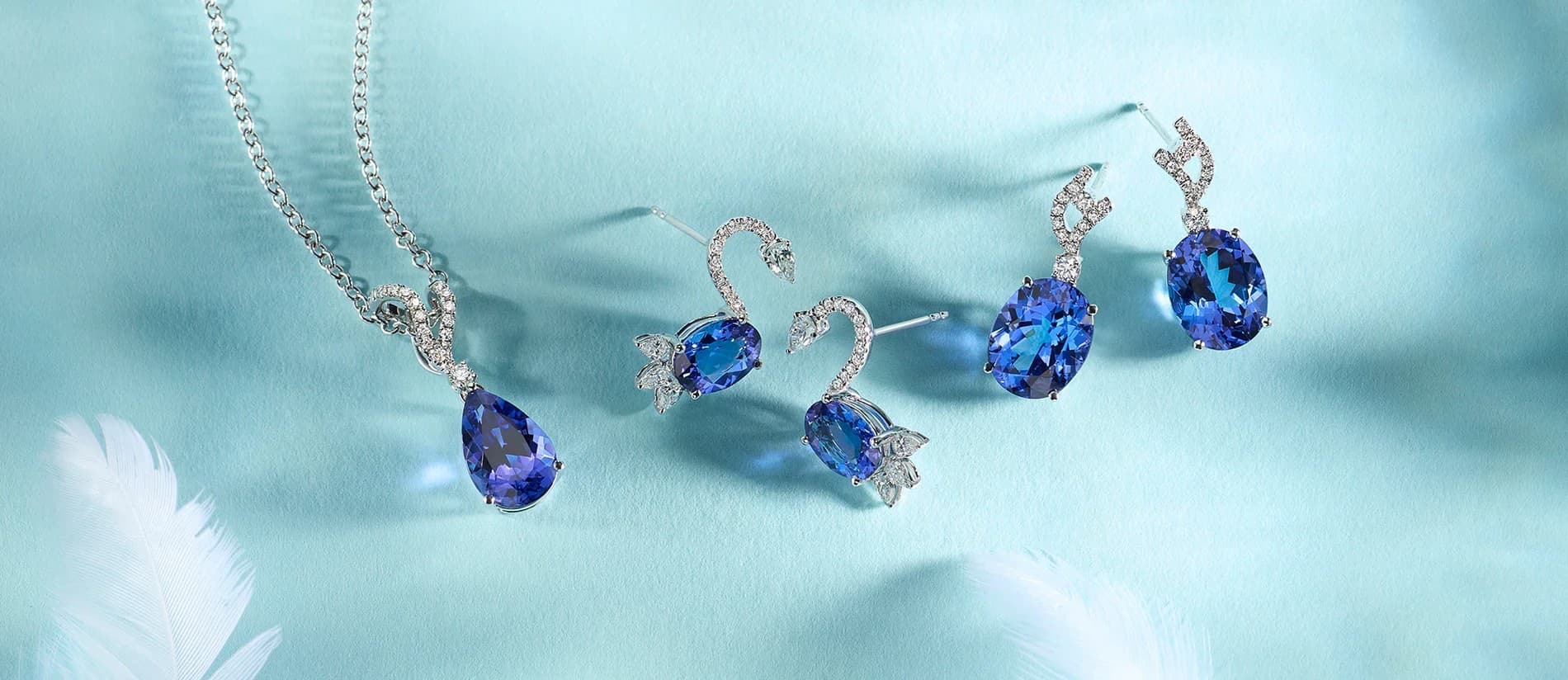
Kiki McDonough campaign photography, a night at the ballet

A jewellery brand with 40 years of heritage and a Royal Warrant should carry strong entity authority. Often it does not, because the signals have accumulated inconsistently. Entity alignment is where that work begins.

Matt Naughton · Founder, Naughton & Bird

Jewellery

Selected jewellery work

All Work →
APM Monaco Été campaign, gold jewellery worn against the Mediterranean

APM Monaco

APM Monaco is an accessible luxury jewellery brand founded in Monaco in 1982, with creative direction still inside the founding family and seven regional Shopify Plus stores serving markets from the UK to Japan.

Read →
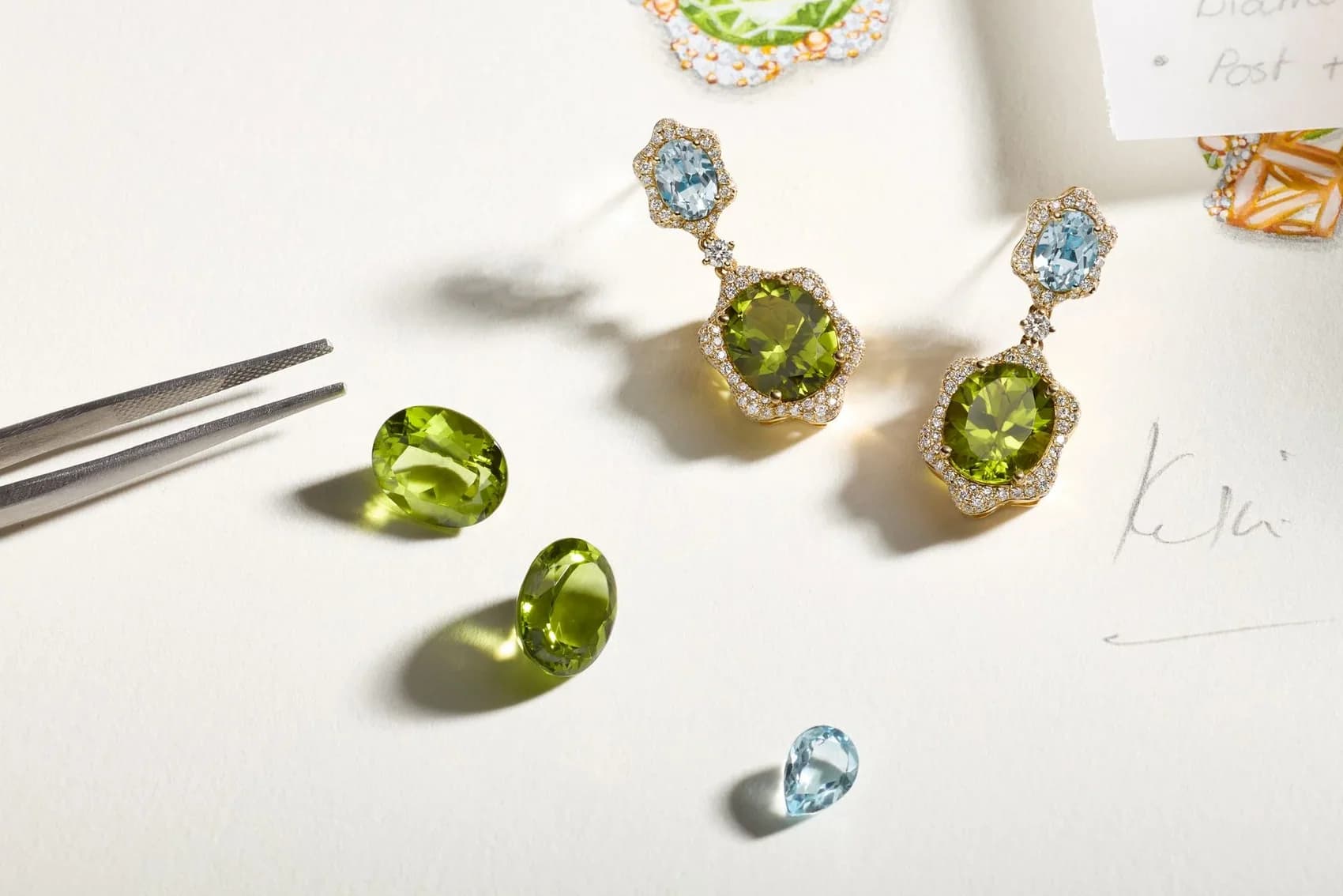
Kiki McDonough peridot and aquamarine drop earrings beside loose gemstones and a design sketch

Kiki McDonough

Kiki McDonough is the British fine jewellery house known for colour, founded in 1985, with a Chelsea boutique, collections led by the gemstones, and a Royal Warrant.

Read →

The category

Customers discover jewellery brands everywhere

Search is everywhere in jewellery. A customer might be searching for a product, for the piece a celebrity wore, or navigating straight to a brand they already know, and each of those moments sits at a different point in the discovery journey. Jewellery carries brand equity like few other categories, and the search behaviour shows it.

It is also one of the most diverse marketing mixes we work with. Depending on where a brand sits, it is generating social signals, press coverage, and cultural moments at very different volumes, and all of it feeds how the brand is discovered. Every brand has a defined purpose and a defined position in its niche.

That is why the work asks for a deeper understanding of the brand than most retail SEO: its categorisation, how it is perceived, and where it sits in its niche. Our job is preparing the brand to be discovered at every one of those moments, with its best foot forward.

Where we see the biggest opportunities in jewellery search

01

Non-branded discovery

The jewellery brands we work with are strong brands, with the branded search to show for it. The opportunity is nearly always non-branded discovery: being found by customers who do not know the brand yet, at whatever moment their search begins. Brand equity carries the branded side on its own. The non-branded side has to be built.

02

Education-led content

Most brands have a product catalogue with product-type collections, and an architecture that reflects the designer more than the buyer. The missing layer is education: commercial buying guides and resources, built from the bottom of the funnel up, that help customers choose and inform search engines and LLMs at the same time.

03

Gifting is going agentic

Gifting in jewellery has never really lived on a gift page. It lives in how the brand is perceived, and increasingly in whether everything about the brand is ready for an agent shopping on a customer’s behalf. As agentic commerce arrives, the gifting opportunity belongs to the brands whose stores are ready to be read.
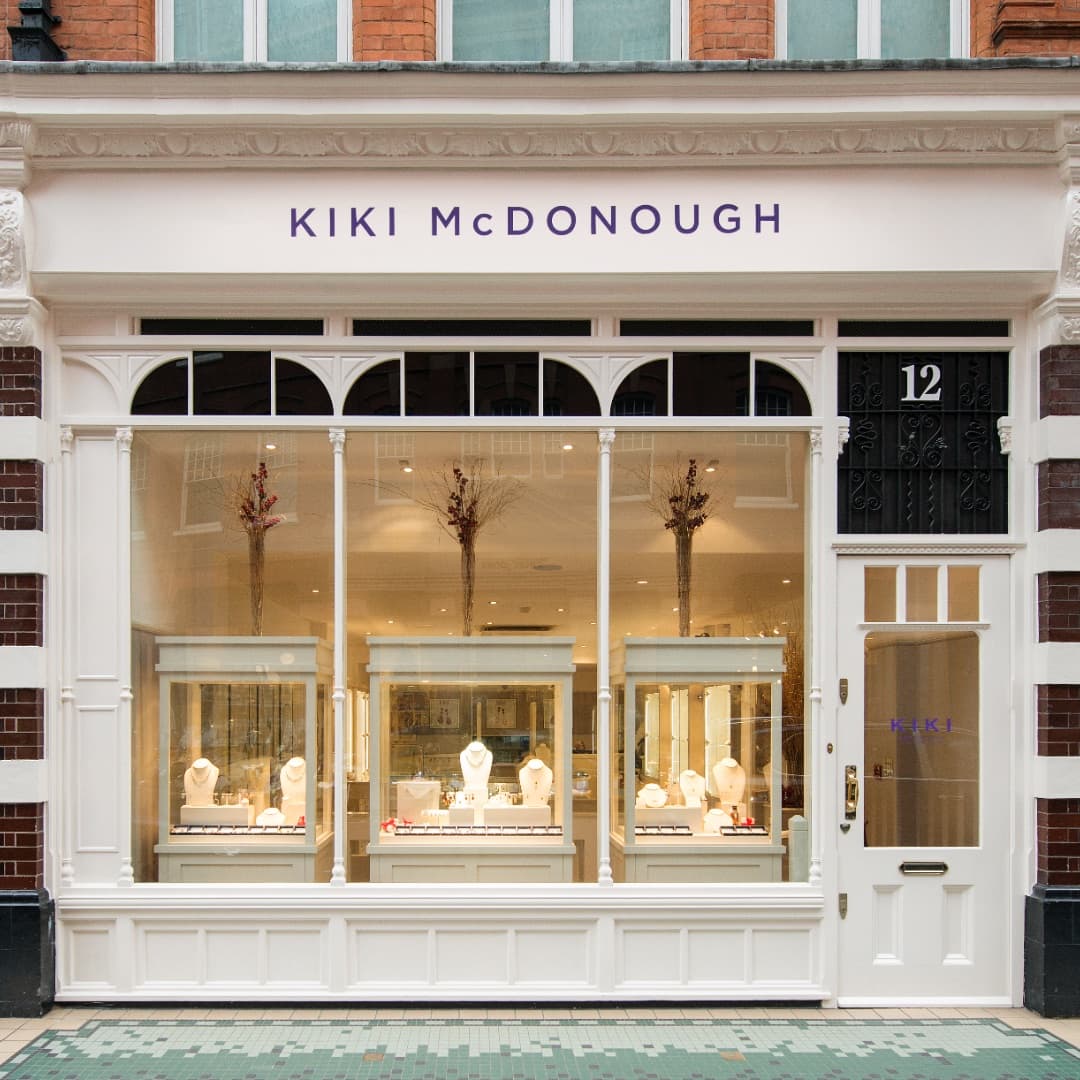
Inside the Kiki McDonough boutique

The approach

How we approach jewellery SEO

We always start with the fundamentals, and the fundamentals start with the brand. Before any recommendation is made we get to know the product range, the positioning, and the markets the brand sells into, because every market brings different customers and tastes change with them.

That get-to-know-you phase is the whole proposition. It runs through the fundamental auditing and structure that make a Shopify store discovery-ready, and it means the on-page and content recommendations come from under the skin of the brand.

Because jewellery brands carry such brand equity, we also make sure the agentic side is ready as early as possible. So much of what an agent needs already lives inside the business, and the work is extracting it and rendering it in the best possible way in the store and through UCP with Shopify. The result is a baseline of site health that puts the brand in a better position to push across every market it trades in.

Talk to us about Jewellery SEO →

Is your store discovery-ready?

Find out exactly what your Shopify store is telling crawlers and agents.

Request a Readiness ReviewShopify Plus Partner

Jewellery SEO FAQs

You need one strategy that knows the difference. "Jewellery" is not a search category any brand can own outright, but the territory underneath it splits cleanly: a fine jewellery buyer researching a diamond engagement ring is deep in consideration, comparing certification and metal purity, while a fashion jewellery buyer is often shopping on impulse against a mood or an outfit. The architecture and the content both need to speak to whichever buyer is on that page, and so does the schema behind them. Brands that treat the two ranges identically tend to under-serve both of them.

Yes to both. That price and rating are Product schema doing its job, structured data that tells Google what the piece costs and what past buyers thought. For fine jewellery, the same discipline extended to certification and provenance, a Royal Warrant, a hallmark, a gemstone's origin, gives an AI model or a shopping agent the same confidence a human buyer gets from a loupe and a receipt. Brands that skip it are relying on the page being read correctly. Brands that don't are telling it.

Duplicating gets the product data across. It doesn't get the market across. A brand trading through several regional stores needs each one to carry its own metadata and its own local entity signal, because a straight duplicate creates the kind of conflicting signal that confuses a search engine trying to work out which page is real. The detail that catches almost everyone is currency: a price or a shipping threshold quoted in the metadata is correct for one market and wrong for every other one reading the same page.

A customer who buys rarely is easy to lose between purchases if nothing reminds them the brand exists, and jewellery has more of those reminders available than most categories: the occasion behind the piece they bought, the anniversary of it, a birthday you already know the date of. A post-purchase sequence and a birthday flow do the remembering the brand can't do manually across years of silence, so the relationship is still there the next time an occasion calls for it.